
BLOG

Keeping your GNSS receiver current isn’t just about the latest tech—it impacts field efficiency and integration with modern tools like drones and laser scanners. The right receiver is an investment in productivity, seamless workflows, and long-term project success.
by Anna Moroz August 27, 2025 Tags: GNSS, PPK, Reach RS3, RTK

When accuracy matters in drone surveying, the key question is: photogrammetry or LiDAR? This article breaks down their differences, ideal use cases, and why pairing them with an RTK base station ensures reliable, high-precision results.
by Hassan Alavi June 30, 2025 Tags: Drone Mapping, GNSS, Industries, PPK, RTK

Accurate GNSS positioning empowers GIS professionals to collect data with precision, driving smarter decisions in urban planning, agriculture, and more. This article explores key applications of centimeter-level GPS and how it enhances GIS workflows across industries.
by Sam Pepple June 18, 2025 Tags: Agriculture, Construction, GIS, GNSS, Industries, Land Surveying

Accurate GNSS data is essential for reliable GIS results. Reach receivers bring centimeter-level precision to your GIS apps like ArcGIS, enhancing field data collection and powering smarter decisions. Learn how to integrate them and see real-world use cases in action.
by Natalia Botygina June 5, 2025 Tags: Agriculture, Construction, GIS, GNSS, Reach RS3, Reach RX
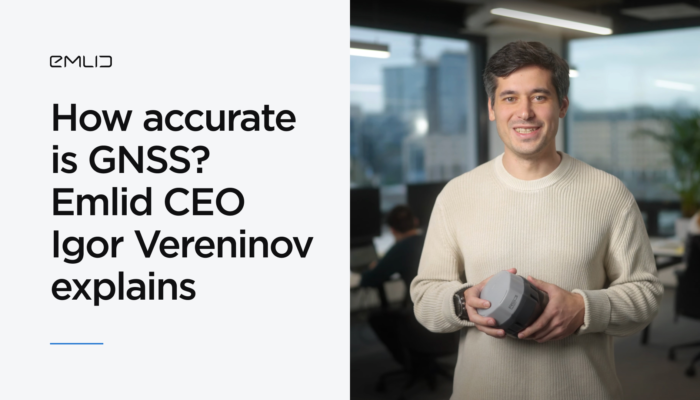
Igor Vereninov, CEO of Emlid, unpacks how high-precision GNSS has evolved from a niche to everyday technology, reveals what powers today’s compact receivers, and explores where GNSS is headed next.
by Anna Moroz May 29, 2025 Tags: GNSS, PPK, RTK
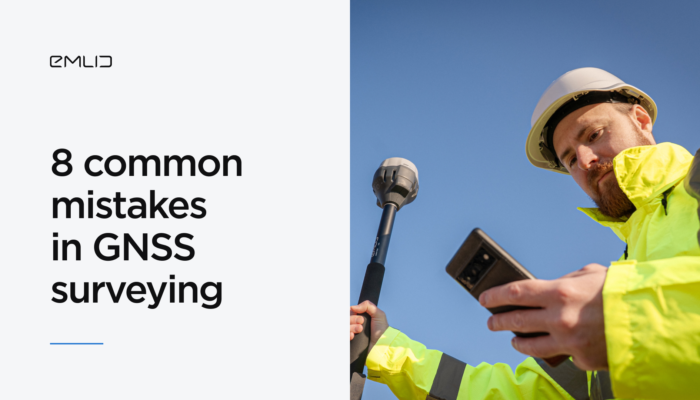
Modern GNSS surveying equipment goes a long way in helping you achieve high-accuracy data collection, but the human factor still plays a role. This article will walk you through eight GNSS surveying mistakes that can easily trip you up.
by Sam Pepple April 23, 2025 Tags: GNSS, PPK, RTK, Tutorials
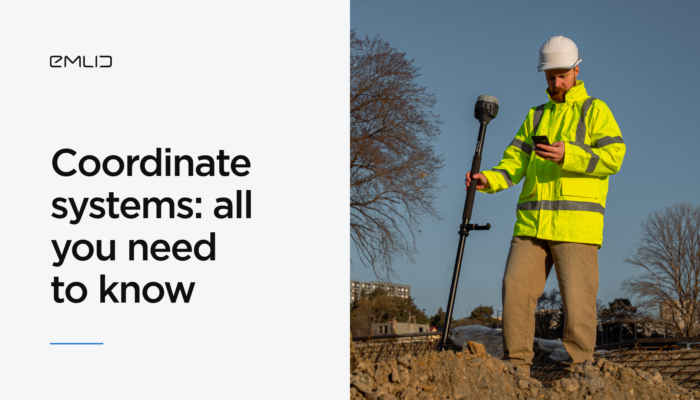
Mismatched coordinate systems between rover, base, or NTRIP service are a common source of errors in surveying, so understanding how geographic and projected systems work together is essential.
by Sam Pepple April 8, 2025 Tags: Emlid Flow, GNSS, Tutorials
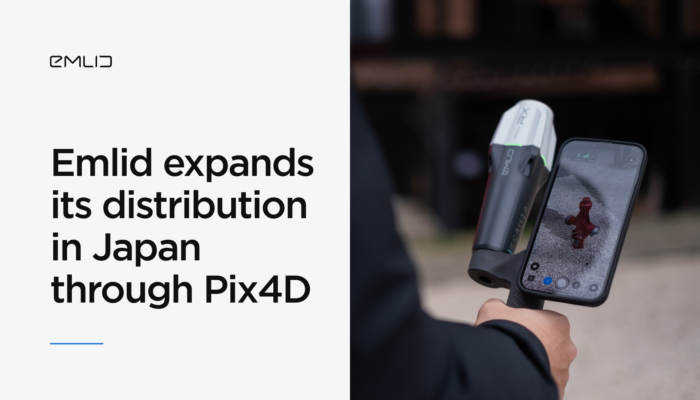
Reach GNSS receivers are now available in Japan—with local pricing, fast delivery, and expert support through Pix4D’s reseller network.
by Anna Moroz March 14, 2025 Tags: GNSS, Pix4D & Emlid Scanning kit, Reach RX
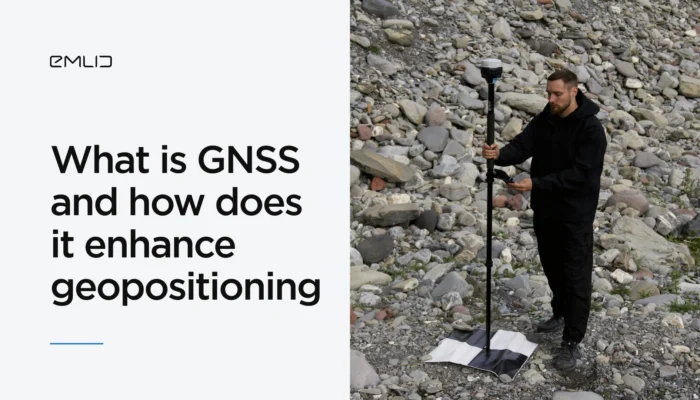
Wondering how to improve the precision of your mapping project with GNSS? Let’s explore what GNSS is and how it works to provide you with precise geopositioning data.
by Eric van Rees January 29, 2025 Tags: GNSS, PPK, RTK
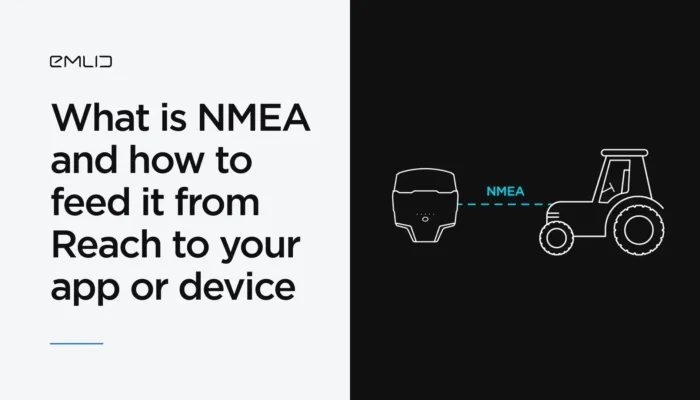
You’ve probably heard of the NMEA data format. We’ve explained what it means and how Reach receivers transmit data in NMEA format to GIS apps and various devices.
by Natalia Botygina January 23, 2025 Tags: Agriculture, Emlid Flow, GNSS, Land Surveying, Reach RS2+, Reach RS3, Reach RX, Tutorials
Get news about Emlid devices, features, events, new services, and discounts