
BLOG
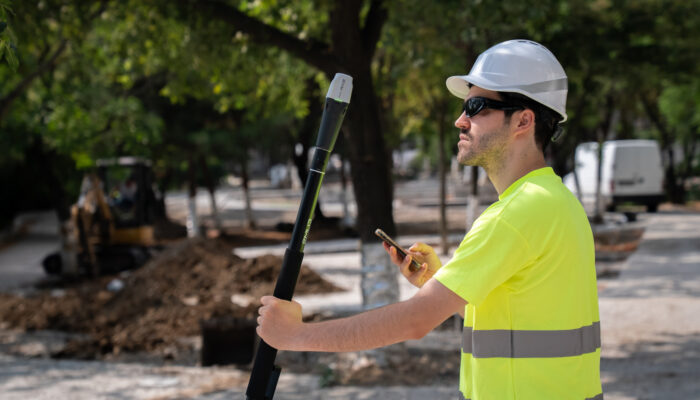
ASCE 38 defines four Quality Levels for documenting existing underground utilities, from existing records to physical exposure. This guide breaks down what each level means.
by Natalia Botygina September 1, 2026 Tags: Construction, GIS, GNSS, Reach RS4 Pro
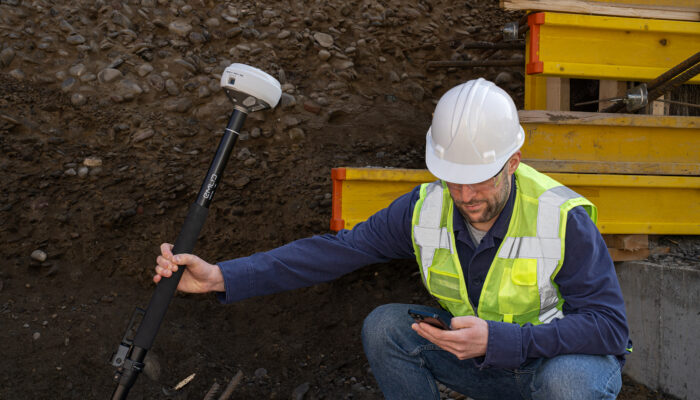
A short, predictable list of reasons gets most utility as-built surveys rejected. Here’s the checklist reviewers use, and how to pass on the first try.
by Ana Ramos August 19, 2026 Tags: Construction, Emlid Flow, Reach RS4 Pro
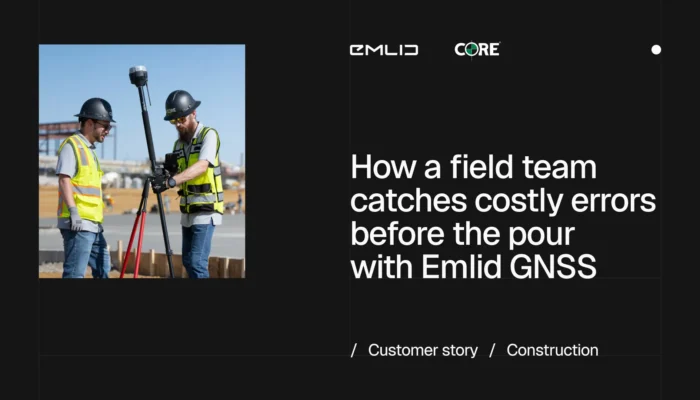
CORE Construction hands GNSS receivers straight to superintendents, letting them verify layouts on-site before problems turn into rework.
by Ana Ramos July 29, 2026 Tags: Construction, Customer story
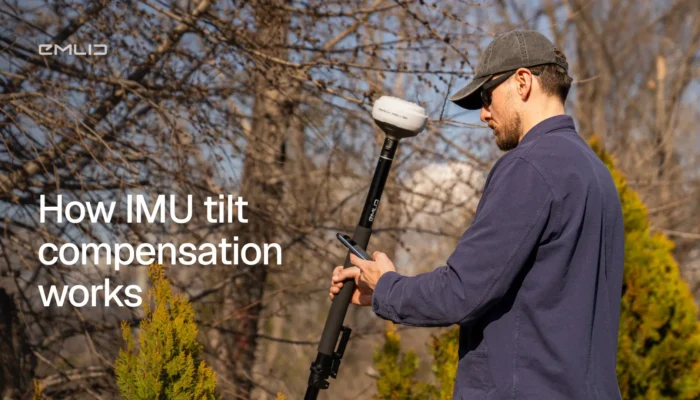
Tilt the pole, skip the bubble level, still get the right coordinate. Here’s how IMU tilt compensation works, what affects its accuracy, and when to use it in the field.
by Eric van Rees July 23, 2026 Tags: GNSS, Land Surveying, Reach RS3, Reach RS4, Reach RS4 Pro, Reach RX
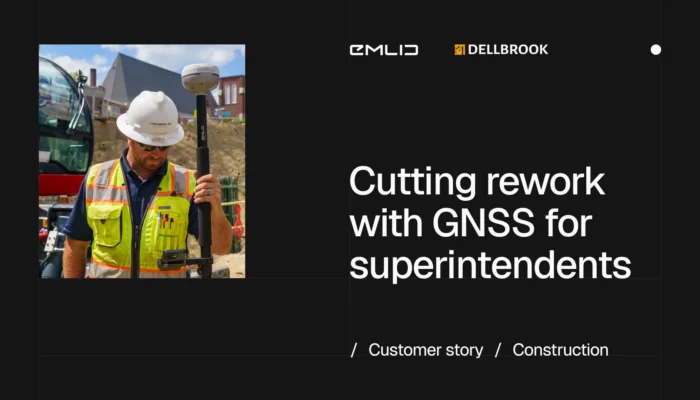
How Dellbrook, a New England construction management firm, closed the gap between subcontractor layout and verification—one job-costed Emlid receiver at a time.
by Ana Ramos July 16, 2026 Tags: Construction
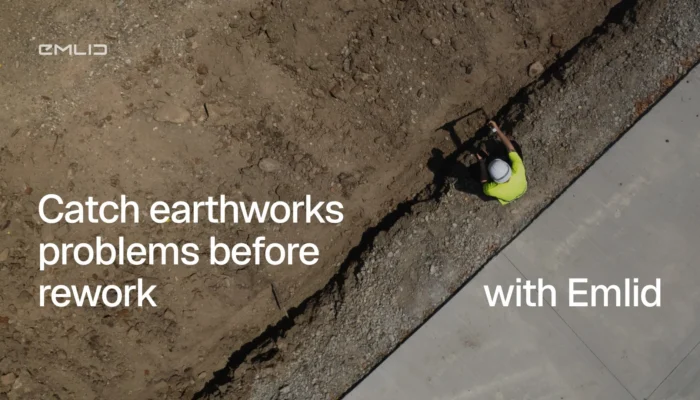
The design said 5,000 m³. The site needed 7,000. Here’s how to set up earthworks planning and progress tracking so the gap shows up on site, not on the invoice.
by Natalia Botygina July 14, 2026 Tags: Construction, Emlid Flow, Emlid Flow 360, Reach RS4
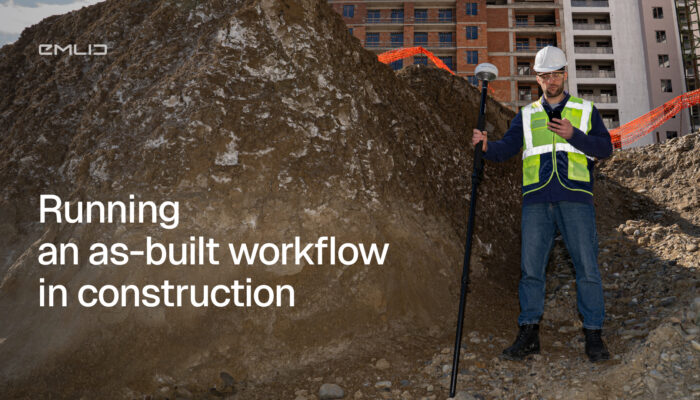
An as-built survey records the final position, dimensions, and elevation of finished structures before they’re covered or handed over. This guide walks the full workflow with Reach receivers, Emlid Flow, and Emlid Flow 360.
by Natalia Botygina June 25, 2026 Tags: Construction, Emlid Flow, Emlid Flow 360, Emlid NTRIP Caster, Emlid Studio, GNSS, Reach RS4, Reach RX2
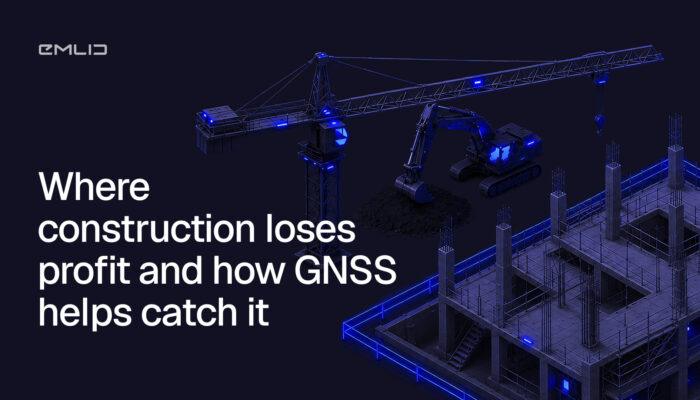
On most projects, profit doesn’t vanish in one big loss. It leaks out in small moments: a measurement that’s off, a crew standing around, a quantity you can’t prove. Here’s where it happens and how GNSS helps you catch each one before it costs you.
by Ana Ramos June 23, 2026 Tags: Construction, Emlid Flow, Emlid Flow 360, GNSS, Reach RS3, Reach RS4, Reach RS4 Pro
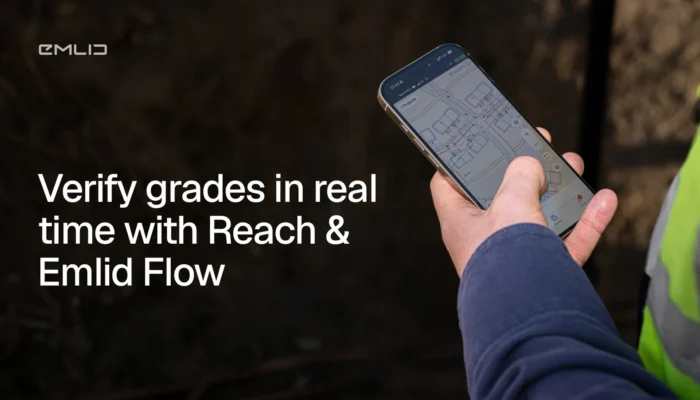
Before any structure goes up, the ground has to match the design. Here’s how crews use RTK GNSS and Emlid Flow to manage cut and fill in real time, across building pads, road alignments, utility trenches, and more.
by Natalia Botygina June 10, 2026 Tags: Construction, Emlid Flow, Emlid Flow 360, GNSS
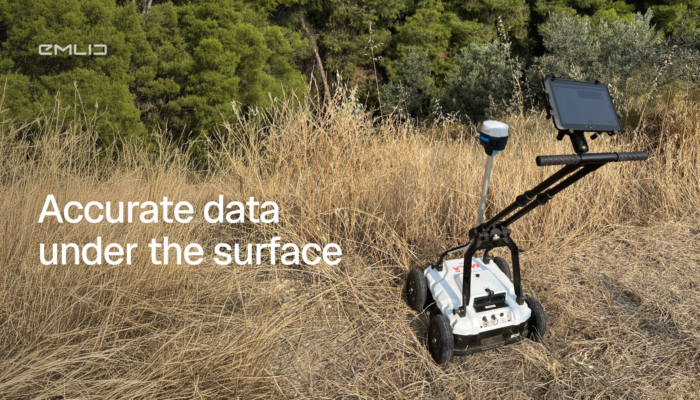
Ground-penetrating radar tells you what’s underground. But it can’t tell you where it is in real-world coordinates. Add a centimeter-accurate GNSS receiver like Emlid Reach to the workflow, and everything changes.
by Eric van Rees June 2, 2026 Tags: Archaeology, GIS, Reach RS2
Get news about Emlid devices, features, events, new services, and discounts